CONSTRUCTION DEBRIS REMOVAL SPOKANE

Construction debris removal in Spokane, WA.

Request construction debris removal in Spokane for residential remodels, repairs, contractor cleanup, and non-hazardous project materials.
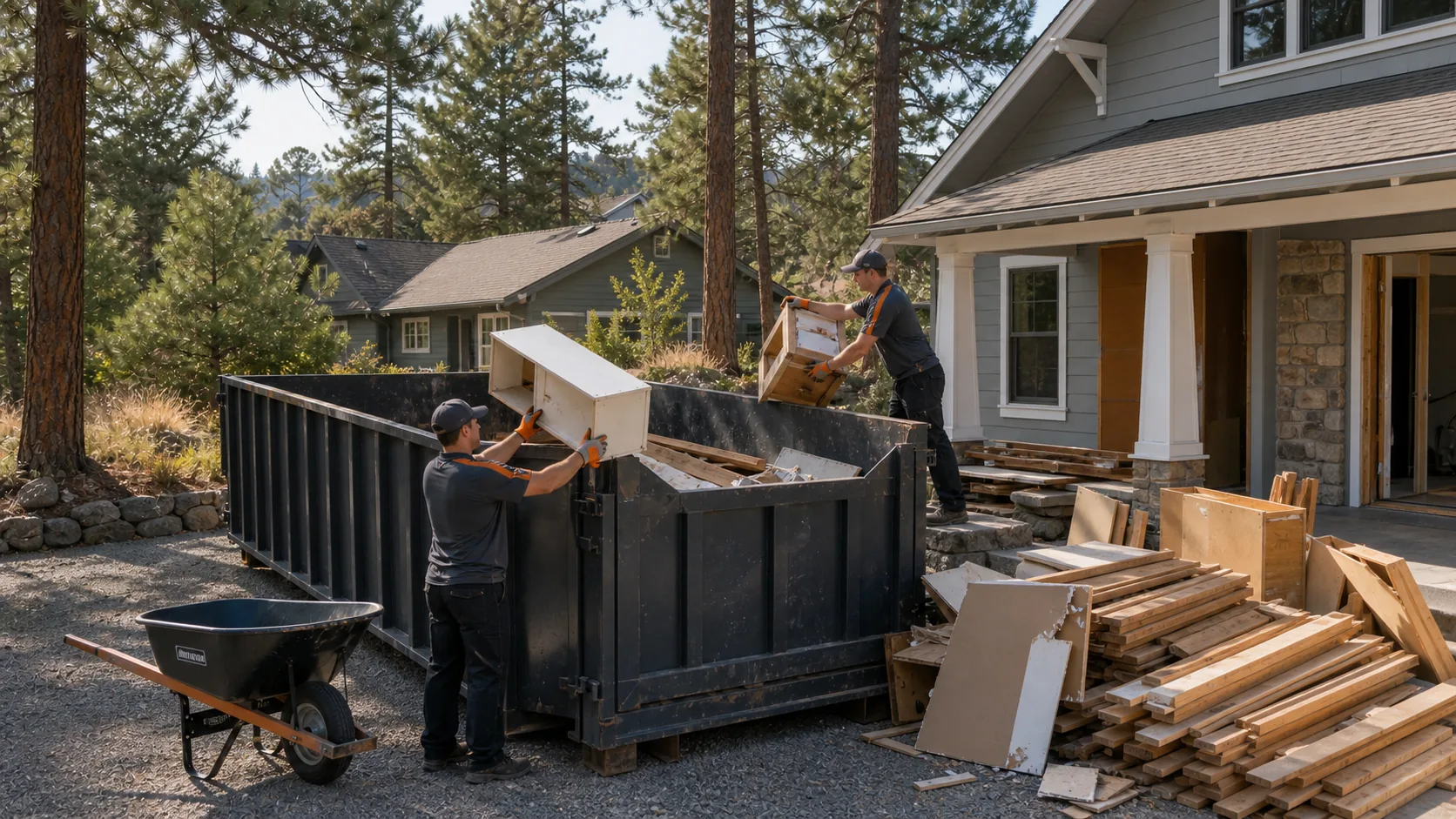
Crew loading non-hazardous remodel debris into a roll-off dumpster in Spokane
PLAN THE PROJECT

What to know before the truck arrives.

Typical project debris

Lumber, cabinets, fixtures, drywall, flooring, trim, doors, packaging, and other non-hazardous remodel waste.

Weight matters

Dense materials can reach hauling limits before the truck looks full. Describe concrete, tile, roofing, dirt, or masonry separately.

Stage materials safely

Keep sharp items contained, separate hazardous materials, and preserve clear access to the load.

THREE CLEAR STEPS
01

Describe the load

Share the item types, approximate amount, access, ZIP code, and timing.

02

Confirm the scope

Review what is included and update the plan if the project changes.

03

Clear the space

The lifting, loading, hauling, and final sweep follow the approved scope.

QUESTIONS BEFORE YOU BOOK

A clearer request leads to a smoother pickup.

Do you take concrete or dirt?

Heavy materials require specific weight and volume planning. List them separately in the estimate request.

Can you pick up from a contractor jobsite?

Yes. Include access, parking, material type, project schedule, and site contact details.

What materials are excluded?

Asbestos, chemicals, fuels, biohazards, and other regulated materials require approved handling.

Request My Estimate

SPOKANE AREA PROJECT GUIDE

Scope remodel debris by material, not just pile size.

Separate heavy materials

Concrete, tile, masonry, dirt, and roofing can weigh much more than lumber, cabinets, drywall, and packaging. List the categories separately with approximate quantities. A visually small pile can still require a different hauling plan because weight matters as well as volume.

Keep loading access workable

Describe the jobsite entrance, available parking, distance to the debris, stairs, and any contractor schedule or site rules. Contain sharp materials appropriately and explain whether the debris is already staged or still spread across work areas. The estimate should specify the actual cleanup and loading scope.

Identify regulated waste early

Do not assume suspected asbestos, chemicals, liquids, fuels, or contaminated materials can be placed in an ordinary debris pickup. Flag uncertainty before scheduling. Removal of fixtures, demolition, and trade work are separate from hauling unless expressly included in the agreed scope.